
Leveraging AI Assistants for Daily Marketing Tasks: A Practical Guide
As a digital marketer, the sheer volume of daily tasks can often feel overwhelming. From crafting compelling ad copy to analyzing campaign performance, the demands are constant and multifaceted. Staying competitive means not just working harder, but smarter. This is where AI assistants emerge as invaluable allies, streamlining workflows and enhancing output quality across the marketing spectrum.
Integrating AI tools isn’t about replacing human creativity or strategic thinking. Instead, it’s about augmenting our capabilities. These intelligent assistants can handle repetitive, data-intensive, or even initial creative tasks, freeing up valuable time for strategic planning and deeper customer engagement. Understanding how to effectively deploy them can fundamentally transform a marketing operation.
Streamlining Content Creation with AI
Content is the lifeblood of digital marketing. However, generating fresh, engaging, and relevant content consistently can be a significant time sink. AI assistants offer robust solutions for various content creation challenges, from initial ideation to final polish.
Generating Blog Post Ideas and Outlines
Staring at a blank page is a common hurdle. An AI assistant can quickly brainstorm a multitude of blog post topics based on keywords, industry trends, or competitor analysis. For instance, if you’re writing about ‘sustainable fashion’, an AI might suggest topics like ‘The Rise of Eco-Friendly Fabrics’, ‘Thrift Store Flips: A Guide to Sustainable Style’, or ‘Measuring Your Fashion Footprint’.
Beyond ideas, AI can structure an entire article. Providing a topic, you can ask for a detailed outline with H2 and H3 headings. This framework gives you a strong starting point, ensuring comprehensive coverage and logical flow. It helps avoid disjointed content and ensures all critical aspects of a topic are addressed.
Drafting Compelling Ad Copy and Social Media Posts
Crafting engaging copy that resonates with target audiences and adheres to platform-specific constraints is a specialized skill. AI assistants excel at generating multiple variations of ad copy for platforms like Google Ads, Facebook, or LinkedIn. You can input key product features, target audience demographics, and desired call-to-actions.
For example, for an ad promoting a new project management software, an AI could generate options highlighting ‘boosted team collaboration’, ‘simplified task tracking’, or ‘achieve project deadlines effortlessly’. Similarly, for social media, AI can create various captions, hashtags, and even suggest optimal posting times based on general engagement patterns. This allows marketers to test different messaging quickly and efficiently.
Enhancing Existing Content and Rewriting for Different Audiences
Sometimes content needs a refresh or adaptation. AI tools can take existing long-form content and condense it into social media snippets, email newsletter blurbs, or even video script outlines. This repurposing is crucial for maximizing content’s reach and impact across different channels.
Moreover, AI can rewrite content to target specific audience segments. A technical whitepaper, for example, can be simplified for a general consumer audience, or a blog post can be tailored with a more professional tone for B2B readers. This adaptability ensures messaging is always appropriate and effective for the intended recipient.
Optimizing SEO and Keyword Research with AI
Search Engine Optimization (SEO) is a continually evolving discipline. AI assistants bring powerful analytical capabilities to SEO tasks, from identifying high-value keywords to optimizing on-page elements.
Accelerating Keyword Research and Trend Identification
Traditional keyword research can be incredibly time-consuming. AI tools can analyze vast datasets to identify trending keywords, long-tail variations, and user search intent. You can input a broad topic, and the AI will provide a list of related keywords, their estimated search volumes, and competitive difficulty scores. This streamlines the discovery of opportunities for organic visibility.
For instance, if you’re in the travel industry, searching for ‘Paris travel’ might yield suggestions like ‘best time to visit Paris’, ‘Paris budget travel tips’, or ‘romantic things to do in Paris’, complete with data insights. This data-driven approach helps prioritize keywords that offer the best return on content investment.
Improving On-Page SEO Elements
Once keywords are identified, AI can assist in integrating them naturally into content. These assistants can suggest improvements for title tags, meta descriptions, image alt text, and even internal linking strategies. They can analyze your content for keyword density and readability, flagging areas for enhancement without over-optimization, which search engines typically penalize.
An AI might suggest rephrasing a sentence to include a target keyword more organically or recommend adding an internal link to a relevant service page. This level of granular optimization helps ensure that content is not only valuable to readers but also easily discoverable by search engines.
Enhancing Email Marketing Campaigns
Email remains one of the most effective marketing channels. AI assistants can significantly boost the performance of email campaigns by refining every aspect from subject lines to personalization.
Crafting High-Performing Subject Lines
The subject line is often the gatekeeper for email opens. AI tools can generate numerous subject line options designed to maximize open rates, considering factors like character limits, use of emojis, and emotional triggers. You can provide the email’s core message, and the AI will offer creative, attention-grabbing alternatives.
For a promotional email about a flash sale, AI might suggest ‘Flash Sale: Don’t Miss These Savings!’, ‘Your Exclusive Offer Ends Soon!’, or ‘Huge Discounts Inside – Shop Now!’. These options allow marketers to A/B test effectively and learn what resonates best with their audience.
Personalizing Email Content at Scale
Personalization goes beyond just using a subscriber’s first name. AI can analyze customer data, such as past purchases, browsing history, and engagement patterns, to generate highly relevant content segments. This means an AI could help craft an email recommending products similar to a customer’s previous purchases or offer tailored content based on their declared interests.
For an e-commerce brand, an AI could help segment subscribers who viewed certain product categories but didn’t purchase. Then, it could assist in drafting a follow-up email showcasing complementary items or a limited-time discount on those specific products. This level of dynamic content delivery significantly improves engagement and conversion rates.
Analyzing Data and Generating Insights
Data analysis is fundamental to understanding marketing performance and making informed decisions. AI assistants can process vast amounts of data much faster than humans, extracting actionable insights.
Interpreting Campaign Performance Metrics
Marketing dashboards are often filled with metrics like CTR (Click-Through Rate), ROAS (Return On Ad Spend), conversion rates, and bounce rates. AI can go beyond just displaying these numbers; it can interpret their meaning. An AI assistant can highlight significant trends, identify underperforming segments, or pinpoint anomalies that require investigation.
For instance, if an advertising campaign’s CTR suddenly drops, an AI might flag it and suggest checking ad creatives or targeting parameters. If ROAS on a particular product category is exceptionally high, the AI could recommend allocating more budget to similar products or audiences. This proactive analysis empowers marketers to react swiftly and optimize campaigns.
Identifying Audience Trends and Behaviors
Understanding customer behavior is paramount. AI tools can analyze website analytics, social media interactions, and CRM data to identify emerging audience trends, preferences, and pain points. This insight is crucial for developing new products, refining marketing messages, and optimizing the customer journey.
Consider an online fashion retailer. An AI might detect a surge in interest for ‘vintage-inspired denim’ across various social platforms and search queries. This insight can then inform content creation, product sourcing, and targeted advertising campaigns, allowing the brand to capitalize on a burgeoning trend. By understanding these subtle shifts, marketers can stay ahead of the curve.
Practical Implementation: A Scenario
Let’s imagine a small B2B SaaS company, ‘InnovateFlow’, launching a new feature for their project management software. They need to announce this feature, drive sign-ups for a webinar, and generate content to explain its benefits.
- Content Ideation: InnovateFlow’s marketing manager uses an AI assistant, inputting ‘new feature for project management software: advanced analytics dashboards’. The AI generates blog post ideas like ‘Unlock Deeper Insights with InnovateFlow’s New Analytics’, ‘Data-Driven Decisions: A Guide to Our New Dashboard’, and ‘Revolutionize Your Project Tracking: Meet Our Analytics Feature’.
- Outline Generation: The manager selects ‘Unlock Deeper Insights…’ and asks the AI for a detailed outline, including sections on ‘What is the New Dashboard?’, ‘Key Benefits for Project Managers’, ‘How to Get Started’, and ‘Future Enhancements’. This provides a structured blueprint for the content team.
- Ad Copy & Social Posts: For the webinar promotion, the manager feeds the AI details: ‘Webinar: Mastering InnovateFlow’s New Analytics Dashboard, Date: [X], Benefits: better reporting, improved decision-making’. The AI generates 10 variations of ad copy for LinkedIn and Google Ads, experimenting with different headlines and calls-to-action (e.g., ‘Register for Free Webinar!’, ‘See the New Dashboard in Action’). It also provides 5 social media posts with relevant hashtags.
- Email Subject Lines: For the webinar invitation email, the AI crafts subject lines like ‘Exclusive Invite: Master Our New Analytics’, ‘Your Guide to Smarter Project Insights’, and ‘Don’t Miss Out: Free Webinar on Advanced Analytics’.
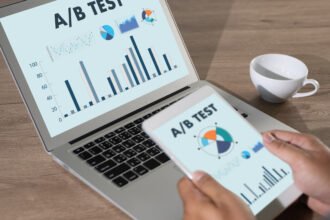
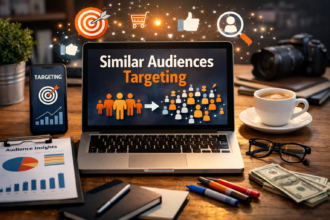
- Performance Analysis Support: Post-launch, the marketing team integrates the AI assistant with their analytics platform. The AI monitors the webinar registration page’s conversion rate, ad campaign CTRs, and email open rates. If ad group performance for ‘project management software analytics’ keywords dips, the AI flags it, suggesting an A/B test on new ad copy variations it just generated. It also identifies that attendees from a specific industry vertical are converting at a higher rate, advising the team to refine future targeting to create a lookalike audience.
This scenario demonstrates how an AI assistant isn’t just a single-task tool but an integrated helper across multiple daily marketing functions, providing efficiency and actionable intelligence.
Ethical Considerations and Best Practices
While AI assistants offer immense benefits, responsible use is crucial. Marketers must maintain oversight and ethical guidelines.
- Human Oversight is Key: AI-generated content or insights should always be reviewed and refined by a human expert. AI is a tool, not a replacement for human judgment, creativity, and strategic thinking.
- Fact-Checking and Accuracy: AI can sometimes ‘hallucinate’ or present outdated information. Always verify facts, statistics, and claims generated by an AI assistant.
- Maintaining Brand Voice: While AI can adapt tones, ensure the output aligns with your brand’s unique voice and style guidelines. Consistency is paramount for brand identity.
- Data Privacy and Security: Be mindful of the data you feed into AI tools. Ensure compliance with data privacy regulations (e.g., GDPR, CCPA) and use reputable AI platforms that prioritize security.
- Avoiding Over-Reliance: Do not let AI stifle your team’s creativity or critical thinking skills. Use it to enhance, not diminish, human capabilities.
The Future of Marketing with AI Assistants
The capabilities of AI assistants are rapidly evolving. We can anticipate even more sophisticated tools that offer deeper predictive analytics, hyper-personalization at an unprecedented scale, and fully integrated campaign management. These advancements will further empower marketers to achieve greater efficiency and impact.
Embracing AI isn’t an option but a necessity for modern marketers. It allows us to manage complex tasks, derive faster insights, and ultimately deliver more effective campaigns. By strategically integrating these powerful tools, marketers can elevate their daily operations, focusing more on high-level strategy and genuine human connection.